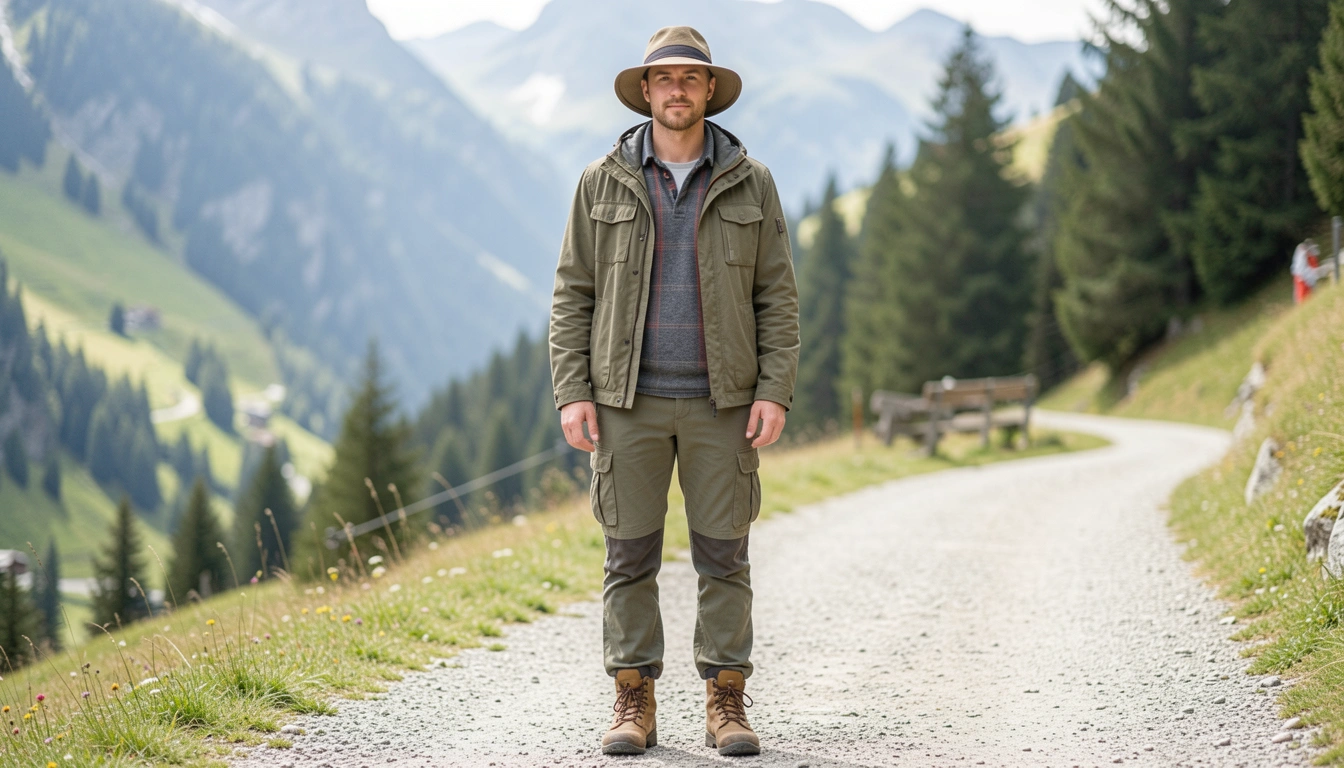
I remember packing for Switzerland, excited for the Alps. But my layers bunched up on hikes. I felt sloppy in cities like Zurich. The weather flipped from chill to sun in hours. Outfits that worked at home failed there.
Too many clothes made my bag heavy for trains. I overthought it. Now I keep it simple.
You can too. Focus on balance that moves with you.
How To Style Switzerland Travel Outfits
This method builds outfits that handle Switzerland's cool mornings, warm afternoons, and sudden rain. You'll end up with looks that feel right from trail to town. No bulk, just even proportions all day.
What You’ll Need
- Breathable merino wool base layer top
- Lightweight fleece mid-layer jacket
- Packable waterproof shell jacket
- Stretch quick-dry hiking pants
- Supportive ankle hiking boots
- Merino wool blend socks
- Light packable scarf
- Adjustable daypack
Step 1: Pick a Slim Base Layer

I start with a slim merino wool base layer. It wicks sweat on uphill walks and warms in shade. Pull it on smooth—no bunching at the waist.
Visually, your torso looks even, not puffy. People miss how it holds shape after hours. Skip cotton; it clings when damp.
One mistake: sizing too big. It shifts under packs, throws off balance. Snug but not tight feels best.
Step 2: Add Mid-Layer for Chill
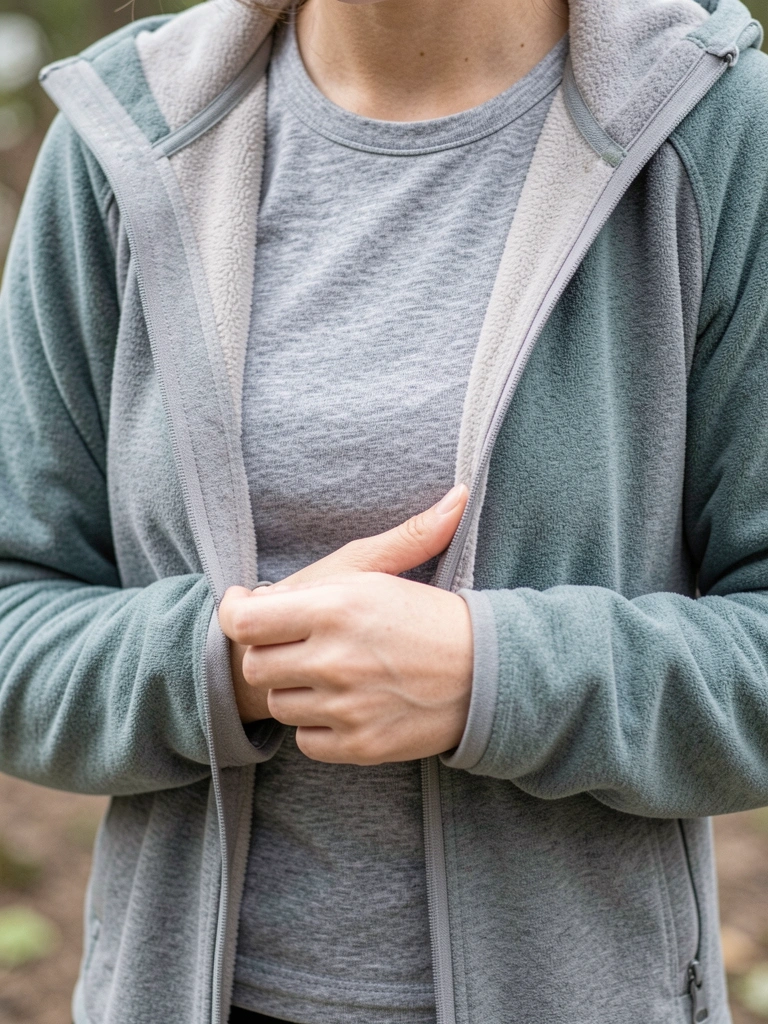
Next, zip on a lightweight fleece mid-layer. It traps warmth without bulk for those misty mornings in Lauterbrunnen. Drape it open if afternoons heat up.
Your upper body gains subtle volume—balanced, not boxy. The insight: fleece breathes better than wool over wool. Avoid heavy knits; they restrict train seats.
Don't layer two thick pieces here. It overloads shoulders, makes arms look wide.
Step 3: Top with Weather Shell
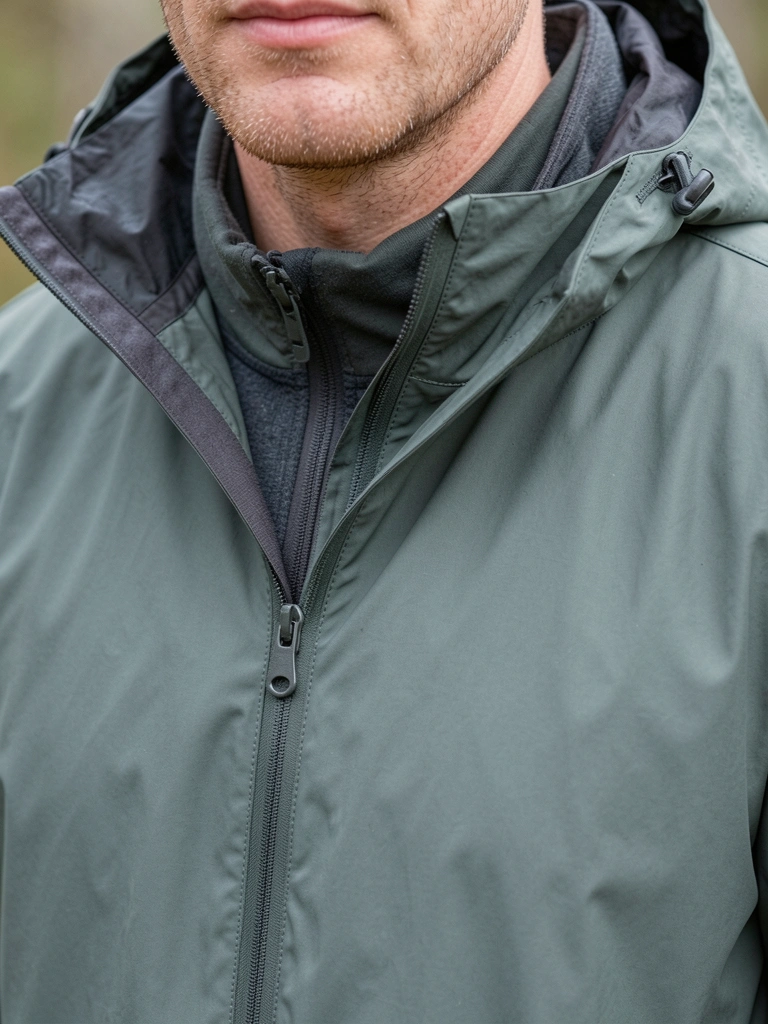
Throw on a packable waterproof shell last. It blocks rain on Jungfrau trails without overheating. Stow it in your daypack when clear.
Now proportions settle—shell skims without flapping. Folks forget hoods add neck balance. Steer clear of stiff fabrics; they rustle too loud in quiet villages.
Mistake to dodge: skipping pit zips. You overheat fast climbing.
Step 4: Choose Mobile Bottoms
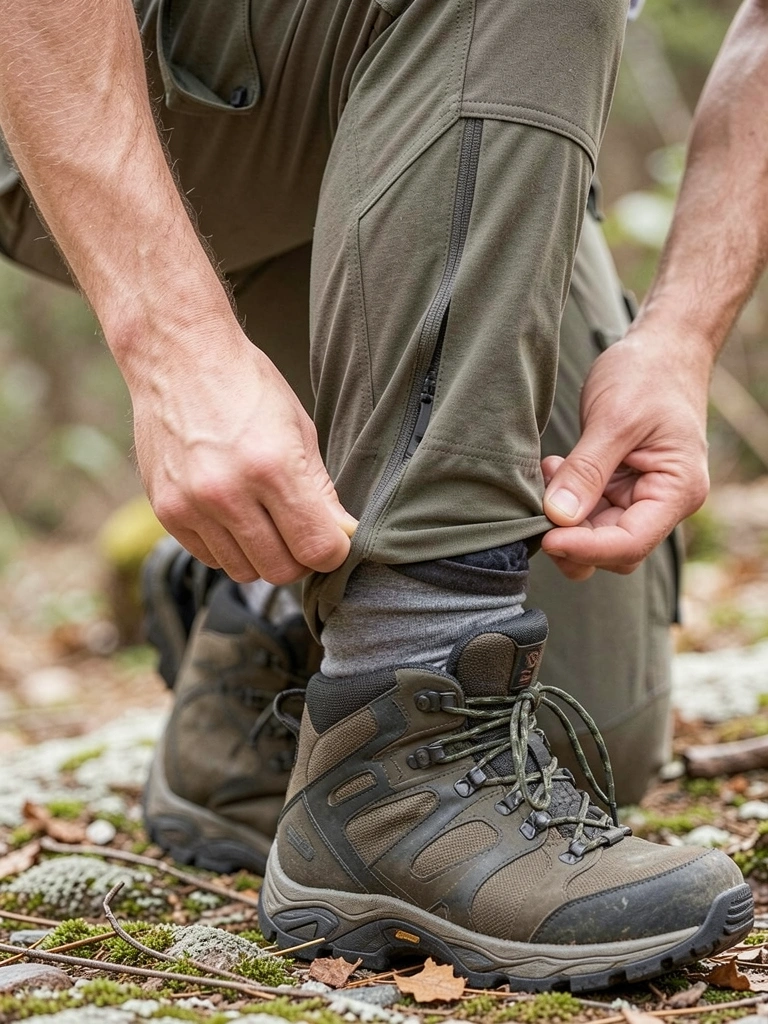
For bottoms, I pick stretch quick-dry pants. They flex for steep paths and dry fast after splashes. Tuck in your base layer slightly.
Legs look streamlined, matching upper evenness. Key miss: full-length for city cobblestones—they drag. Avoid jeans; no give on long walks.
Don't go baggy. They snag packs, unbalance your stride.
Step 5: Balance with Feet and Neck
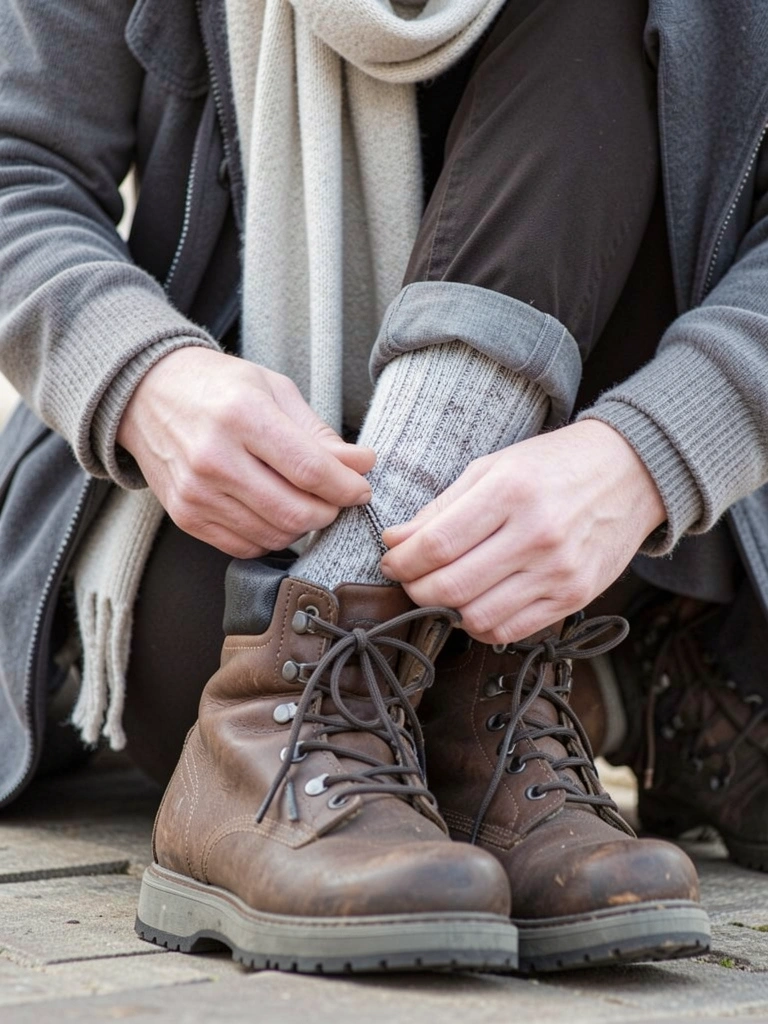
Lace supportive ankle boots with merino socks. Add a light scarf looped loose. Feet stay dry; neck gets quick warmth.
Full outfit proportions click—grounded, not top-heavy. People overlook scarf length; too long tangles. Skip flashy colors; neutrals blend trail to cafe.
Error: thin socks. Blisters kill hikes.
Handling Switzerland's Weather Shifts
Switzerland's Alps drop cool fast. Mornings in Interlaken feel crisp; noon sun warms quick.
I check layers hourly. Base always stays. Mid or shell peels as needed.
- Watch clouds for rain shells.
- Sun? Ditch mid-layer.
- Wind? Scarf tightens it.
Feels natural after a day.
Packing for Trains and Trails
Trains mean light bags. I roll layers flat—no wrinkles.
One carry-on works. Boots on bottom, shells stuffed in.
- Prioritize packable items.
- Mix neutrals for remixing.
- Test fit pre-trip.
Saves hassle at Zurich station.
Outfit Tweaks for City Days
Towns like Lucerne call for less bulk. Swap fleece for a structured top if warm.
Pants stay; they urbanize easy. Scarf dresses it up.
- Roll sleeves on shell.
- Boots polish with neutral pants.
- Base layer solo under jacket.
Moves seamless from hike to fondue.
Final Thoughts
Try one outfit first. Walk your block—feel the balance.
It clicks fast. Switzerland rewards simple layers that adjust.
Your trips feel easier. Just right, not forced.
Leave a Reply