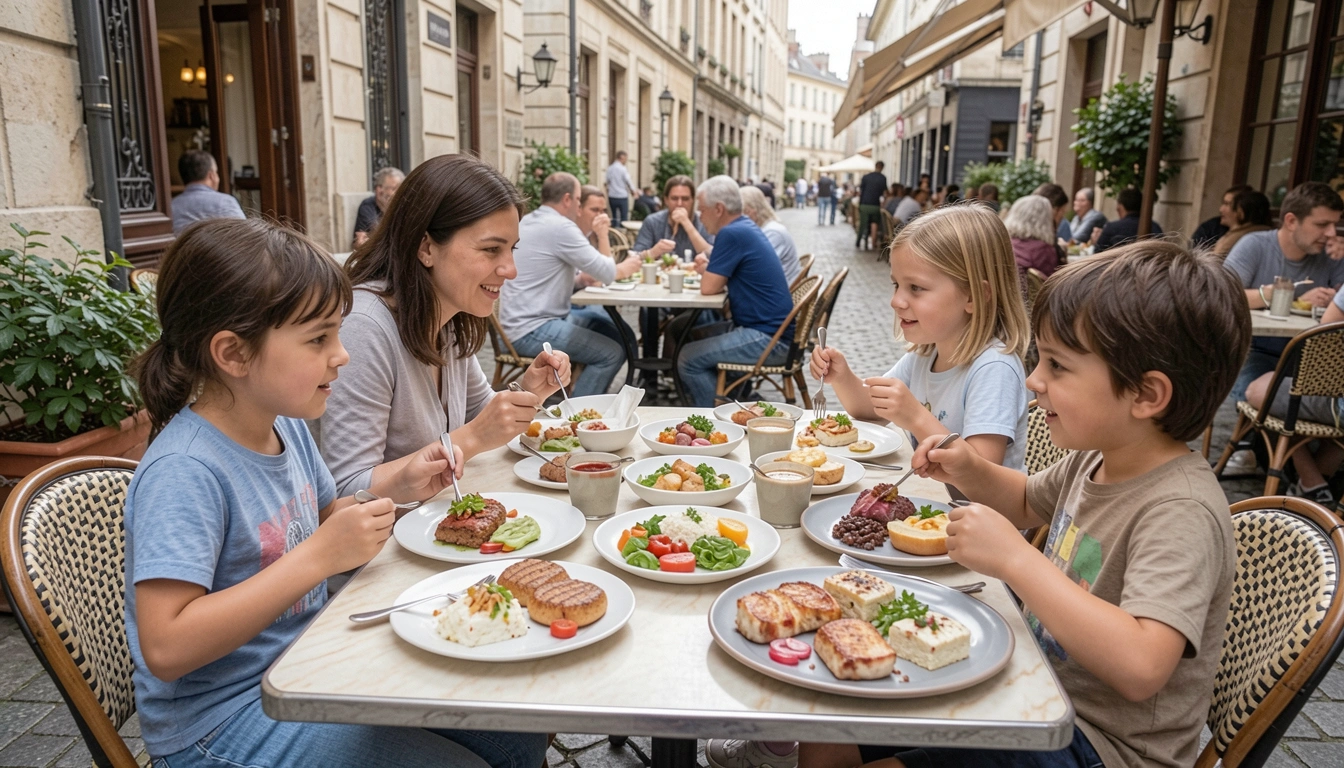
I remember standing in a busy Paris market with my two kids, ages 5 and 7. Everything smelled amazing, but they turned up their noses at croissants and cheeses. One meltdown later, we were all hangry.
I've traveled Europe with them three times now. Picky eaters, jet lag, unfamiliar tastes—it adds up fast.
This way of picking foods keeps things calm. No forcing weird dishes. Just meals that work.
How To Choose Foods In Europe Travel With Kids
This is the method I use every trip. You'll learn to spot kid-approved options anywhere in Europe. End result: full, happy kids with steady energy, no big fights over food.
What You’ll Need
- Insulated kids lunch bag in soft blue fabric
- Reusable snack containers with tight lids
- Foldable kids water bottle in silicone
- Allergy translation cards for Europe travel
- Compact fruit and veggie cutter for kids
- Kids travel food pouch squeezers
- Pocket Europe kids eating guide book
- Soft silicone kids utensils set
Step 1: Scan for Familiar Bases First
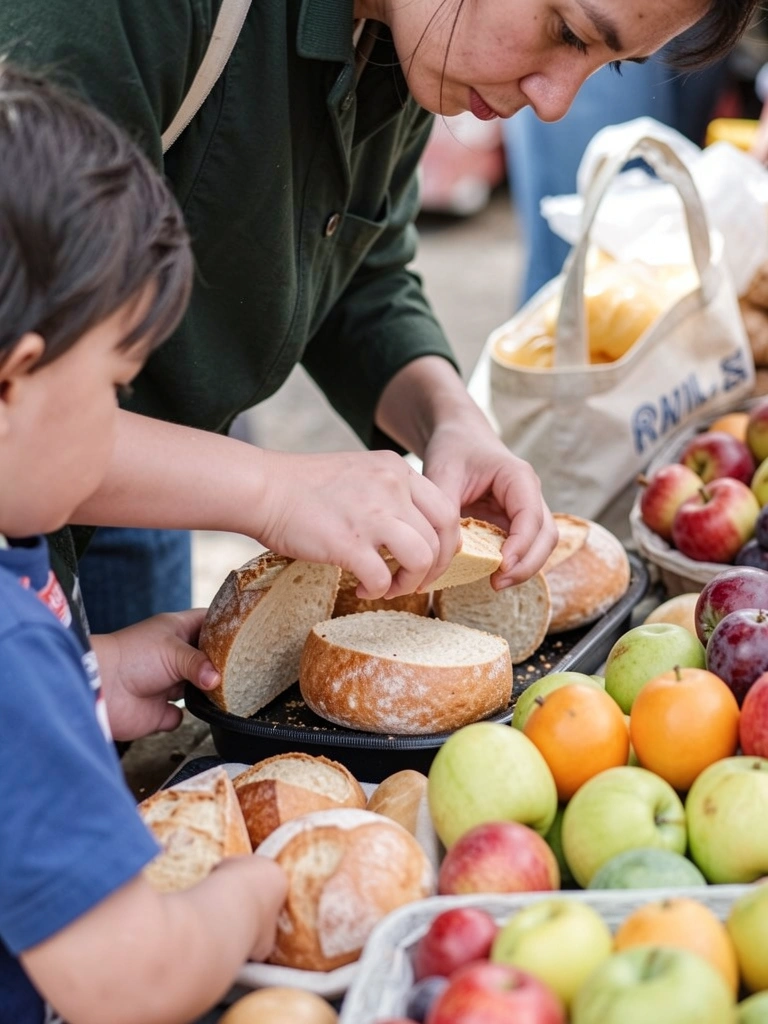
I always start by finding bread, rice, or pasta. Kids know these anywhere. In Italy, it's fresh loaves; in Germany, pretzels. Visually, the cart looks fuller already—half the plate sorted.
People miss how carbs settle kids fast. Skip fancy stuff early; it avoids pushback.
Don't grab pre-packaged if it has long labels. Stick to bakery fresh. One trip, ignored that—ended up with sugary fillers they spat out.
This builds calm. They eat half before we add more.
Step 2: Add Plain Proteins Nearby
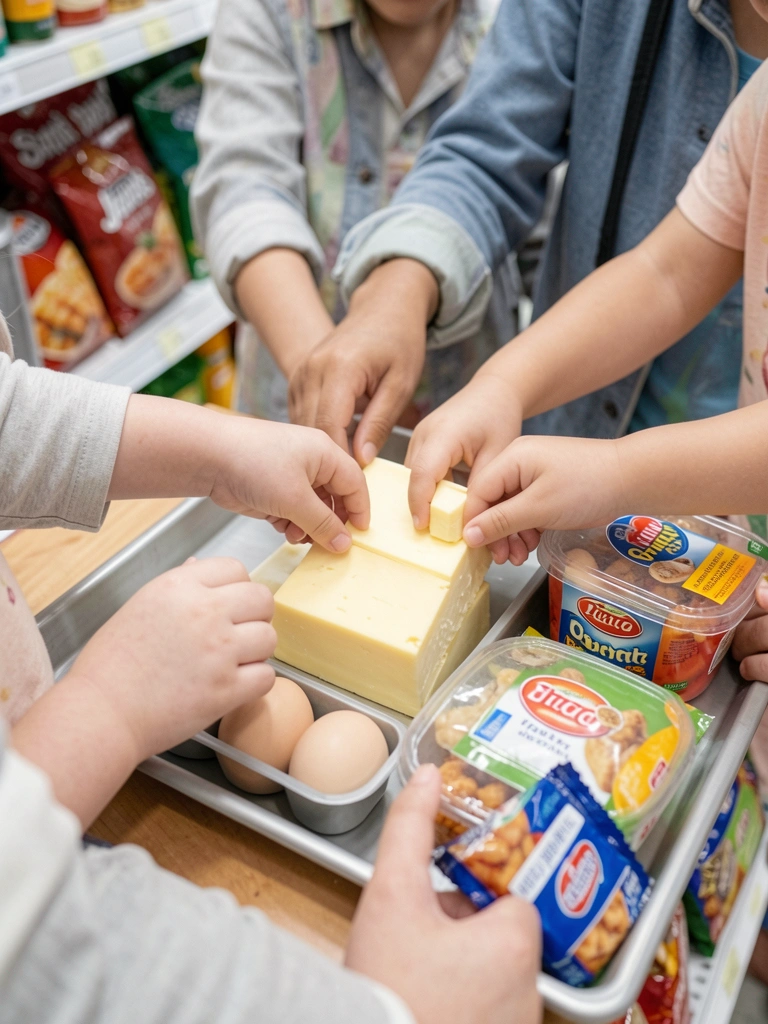
Next, I look for eggs, cheese slices, or plain chicken. Europe has these everywhere—markets, supermarkets. The plate balances now: carbs plus staying power.
Kids feel secure with mild tastes. The insight? Pair with their base; it stretches meals.
Avoid fried versions first. Greasy overwhelms tiny stomachs. Once in Spain, tried chorizo—big regret till dinner.
Now, energy holds steady. No crashes mid-sightseeing.
Step 3: Layer in Fruits and Veggies They Recognize
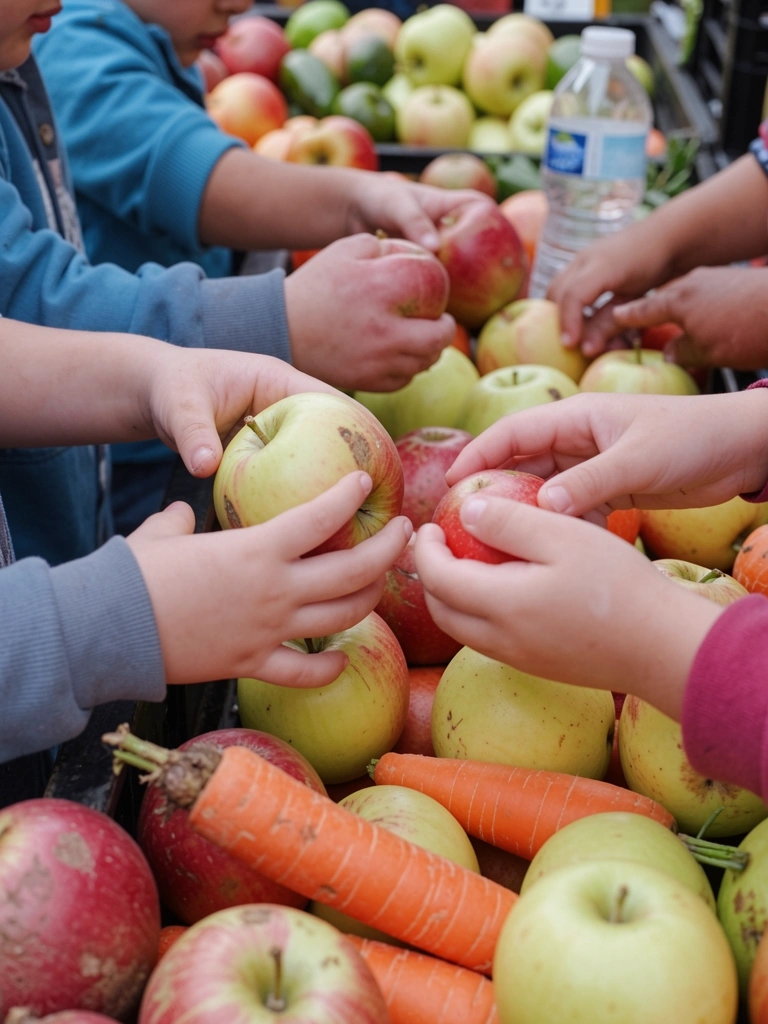
I pick apples, bananas, carrots—stuff from home. Europe's markets overflow with them. Colors pop on the plate; it feels complete.
Most forget kids eat more when it's hands-on. Let them choose; ownership sticks.
Skip mushy or strong ones like olives early. In Greece, pushed feta—wasted. Now, we build tolerance slow.
Balance hits: nutrition without battle. They munch happily walking.
Step 4: Check for Dairy or Yogurt Options
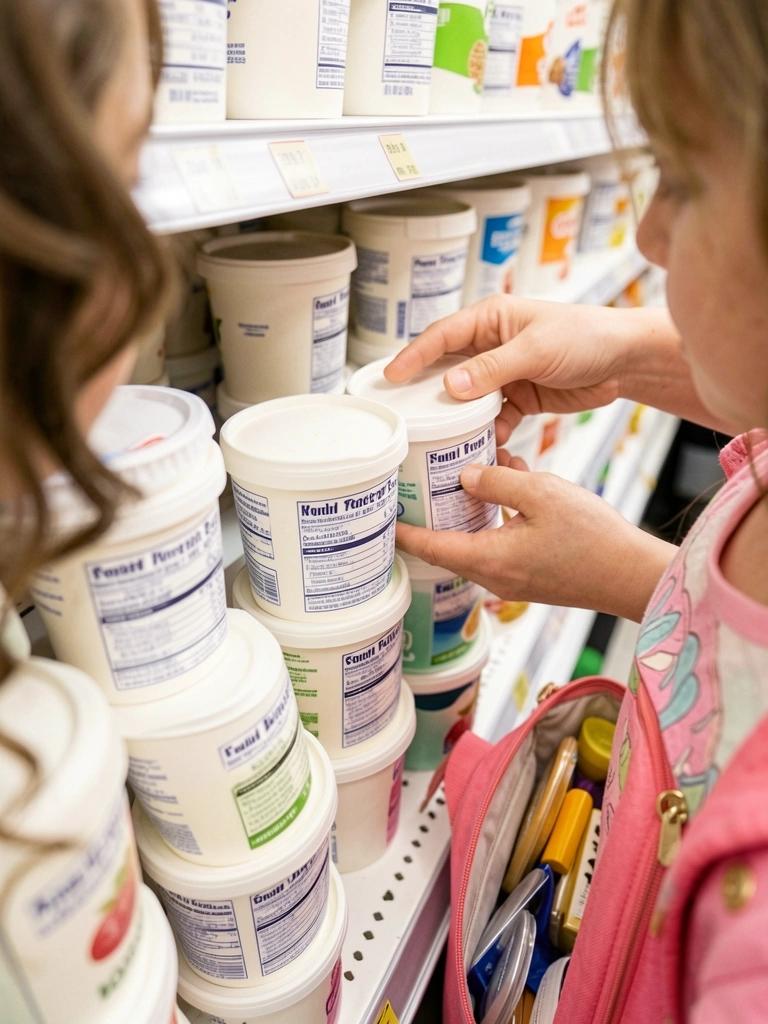
Plain yogurt or milk pouches next. French supermarkets shine here. The meal rounds out—protein, fruit mixed in.
Insight: stir-ins like honey make it theirs. Feels custom, not forced.
Don't pick flavored if allergies lurk. Translate packs. Italy once, vanilla hid nuts—scary.
Kids stay hydrated, full. Tantrums fade.
Step 5: Test Small Portions on the Spot
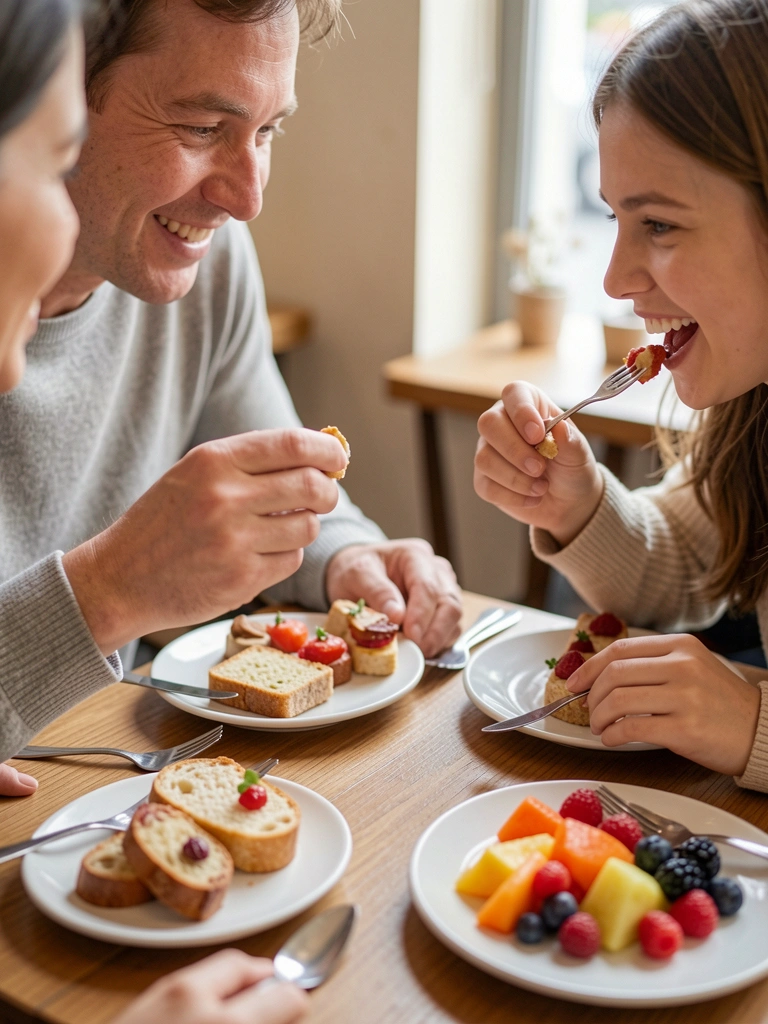
I buy tiny amounts first. One roll, a yogurt. Watch their faces—does it sit well? Plate looks tested, not risky.
People overlook gut reactions. Jet lag amplifies pickiness.
Avoid full buys untested. Amsterdam market, whole wheel of cheese—too much.
This confirms wins. Meals flow easy after.
Step 6: Pack Leftovers Smart
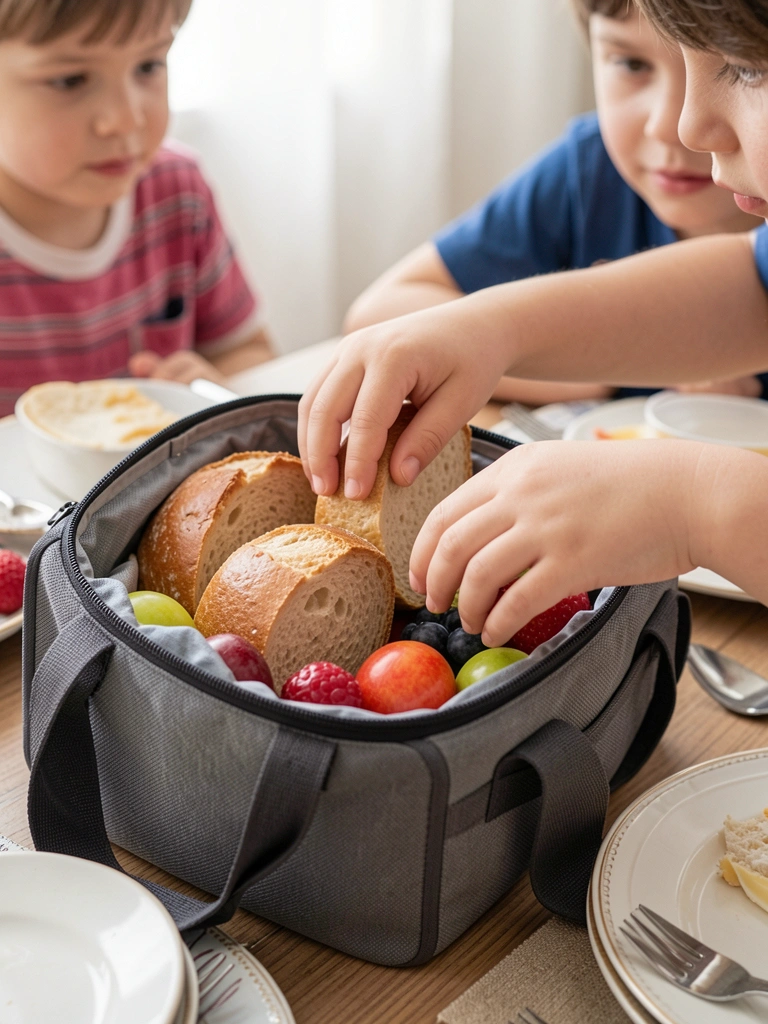
Leftovers go in containers right away. Balances next snack. Feels prepared, not wasteful.
Missed tip: cool fast to keep fresh. Europe's warmth spoils quick.
Don't overpack day one. Space for finds.
Days run smooth now.
Common Mistakes I Learned the Hard Way
Once, I chased "authentic" only. Kids starved. Now, familiar first.
- Ignore whining—offer choices instead.
- Forget water breaks between bites.
- Buy bulk without testing taste.
Balance trumps perfection. They ate better second trip.
Country-Specific Tweaks
France: Baguettes and crepes plain.
- Germany: Soft pretzels, apples.
- Italy: Pasta bare, gelato later.
- Spain: Rice, mild tortilla.
Adapts easy. Check one staple per spot.
Backup Snacks for Tough Spots
Always carry extras.
- Dried fruits in pouches.
- Crackers for delays.
- Nuts if no allergies.
Fills gaps. Peace restored fast.
Final Thoughts
Start with one meal a day this way. Builds your eye quick.
You'll feel the shift—less stress, more fun.
Kids eat real Europe foods. That's the win. Simple as that.
Leave a Reply